

Over the past decade, streaming has mostly meant curated entertainment like Netflix series, YouTube originals, gaming streams, and studio-produced shows. But 2026 is different. One of the fastest-growing formats is IRL streaming—live, unfiltered content where creators share their daily experiences, conversations, travel, shopping, events, workouts, and more, all as they happen. This matters because audiences are now choosing real connection over polished perfection.
Traditional streaming platforms still account for most total viewing hours. However, the biggest growth and creator engagement are happening in live, interactive environments. IRL (In Real Life) streaming sites are leading this trend.
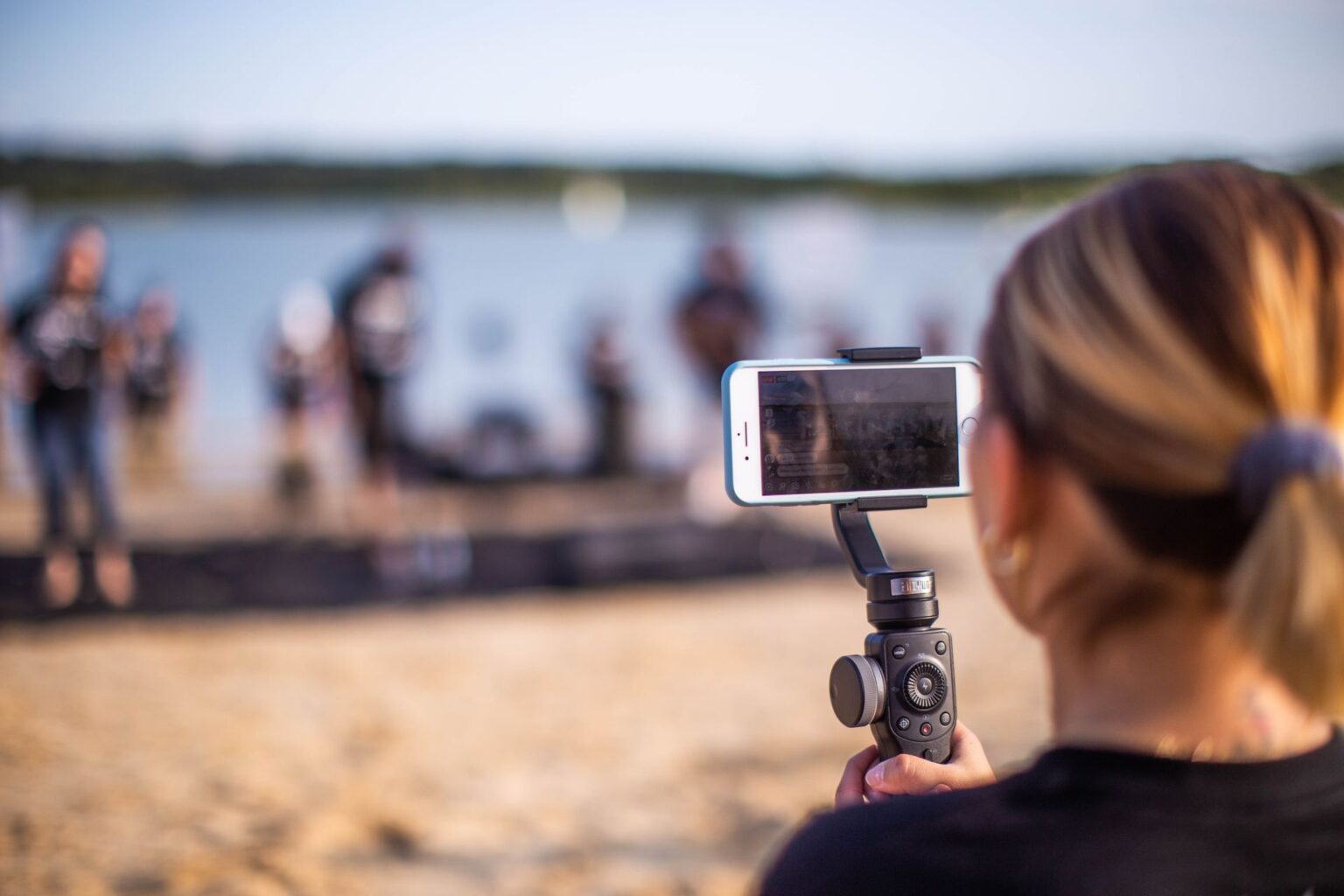
Let’s take a closer look at IRL streaming. It started as a small category on Twitch, where creators used their phones to share daily life outside of gaming. What began as walking streams and casual chats has now grown into:
- travel
- behind-the-scenes content
- fitness
- live shopping
- dating
- social experiments
- live podcasts
- live events
- creator collaborations
- real-time commentary on news and film culture
Unlike YouTube videos or TV shows, IRL streams are unpredictable. That unpredictability is exactly what draws viewers in.
There are several reasons why IRL streaming is growing faster than traditional streaming:
- Audiences want authenticity
- They want real personalities,
- Unscripted reactions,
- The genuine emotion of the moment, something that happens only once because it’s live.
- They also want to participate in the community.
Also, this mirrors wider trends, where TikTok live-streaming creator-led content outperforms studio-polished content in terms of engagement.
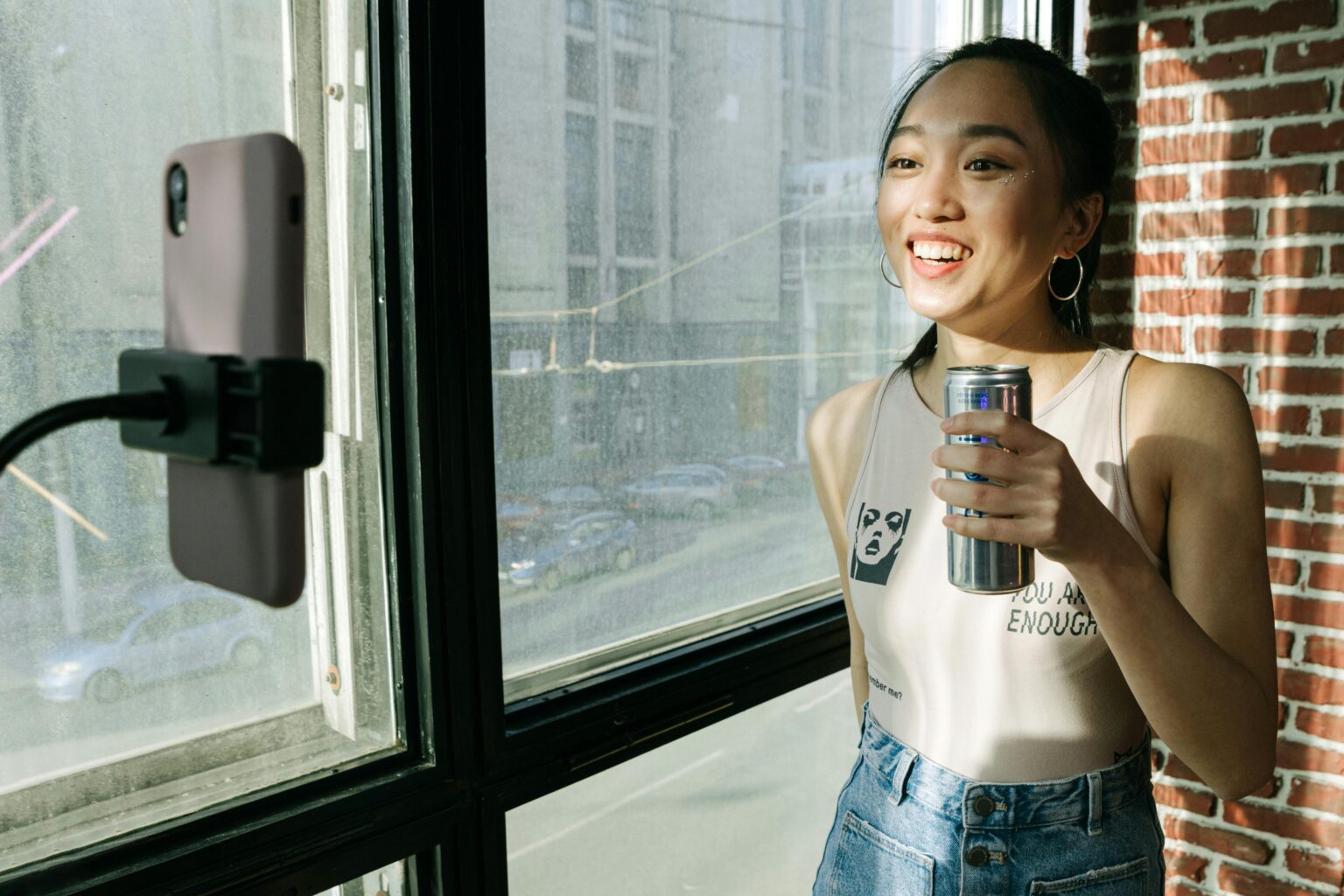
Stickiness, which is always the core of content creation with IRL, is slightly different because you’re commenting in real time. You can influence the outcome of something that’s going to happen. You can request locations or actions and actually change the direction of the live content. You can also donate for reactions and become recognised as a community member. The audience can become famous. It creates stronger retention than passive viewing alone.
According to industry reports, global live streaming remains massive, with 29.45 billion hours watched in Q3 2025 alone, showing sustained demand for live content.Source:
Traditional streaming was built for TVs and desktops. IRL streaming is native to the smartphone generation. Vertical video, mobile chats, short-form discovery, and location-based content are all perfect for IRL streaming, which means platforms like TikTok Live, YouTube Live, Twitch Mobile, and Kik Mobile ecosystems are all at the forefront of this space. Twitch itself has rolled out vertical live-streaming tools, indicating that the market has adopted a mobile-first approach. Those tools, incidentally, were developed in conjunction with Aitum.
Looking at the Twitch IRL growth, that’s really the proof of the market. Obviously, Twitch’s Vertical Broadcast, which their plugin was created on the back of, was built on the Atom Vertical plugin. Atim worked with Twitch to bring it to market. Mainly, it’s just the chatting category. Essentially, IRL social streaming has become one of Twitch’s biggest segments. StreamShots reported that just chatting generated 2.8 billion hours watched in one year, making it Twitch’s most viewed category by a wide margin. This means, controversially, that personality-led live content is now competing almost head-to-head directly with gaming content on Twitch. Big changes!
We can’t talk about Twitch without talking about YouTube, so how does YouTube fit into all of this? YouTube is still broadly the leader in the live streaming market. By the end of 2025, YouTube accounted for 47% of all live-streamed hours watched outside mainland China, according to Stream Charts. Why is YouTube so popular? Well, because YouTube combines:
- live streaming
- shorts
- search traffic
- evergreen VOD
- memberships
- ads
- a massive discovery system
This makes YouTube arguably the most monetised platform overall; however, much of YouTube’s success now depends on:
- creator personalities
- community formats
- podcast interviews
- sports
- reactions
- a real-time culture
- comedy
All the points above are very well connected and are being established in IRL behaviour.
Brands are moving more towards IRL streaming as well because increasingly brands want:
- trust
- immediacy
- product demonstration
- audience feedback
- measurable engagement
IRL creators can provide all of this, for example:
- a travel creator visiting a sponsored hotel live
- a fitness streamer testing products live
- a fashion creator hosting live try-ons
This feels more believable than a polished ad…
So how do you monetise live streaming in 2026? Well, it drops into a number of areas:
- The first area is subscriptions and memberships. Obviously, platforms can offer Twitch subs, YouTube memberships, Patreon-linked communities, and Discord premium access, best for creators with loyal audiences.
- Secondly, we can look at live donations and tips, including super chat, bits, and gifts,as well asd tips via third-party tools. Research on Twitch gifting found that recipients often pay it forward, reinforcing community economics.
- Brand sponsorships. Often, the most lucrative path is once you have an audience and a consistent one. The brand will pay for:
- product mentions
- streaming integrations
- challenges
- appearances
- affiliate promotions
Micro-creators can outperform large creators if the trust is high.
4. For monetisation, it is affiliate sales. Everything from:
- tech gear
- fitness
- travel tools
- software
- creator equipment
You can earn commissions on every sale. Best used when trust is high
5. Repurposing the content and creating revenue from that, so one live stream you can chop that into:
- YouTube clips
- shorts
- TikToks
- Instagram Reels
- podcasts
- newsletter
This creates multiple monetisation layers from a single session or recording.
6. Paid communities:
- Creators increasingly monetise access.
- mastermind groups
- founder communities
- private chats
- coaching circles
- member-only streams
Communities often out-earn content.
7. Commerce, live shopping, is growing in Asia, but growing globally as well. Creators sell merchandise of their
- own products,
- partner products,
- limited drops.
The live urgency boosts conversion.
Although there are many different factors that impact it, some of the best monetisation strategies by creator size are:
For communities over 10,000: add in sponsorship, retainers, premium courses, product launches, and events.high.
For under a thousand followers: focus on consistency, donations, affiliate offers, and repurposing clips.
For a thousand to ten thousand followers: add in memberships, micro brand deals, and Discord community.
So, in summary…
Some final thoughts. Traditional streaming built empires through content libraries. IRL streaming is building business through relationships. That is why it’s growing so quickly. People no longer just want to watch entertainment; they want to be part of that entertainment. For creators, participation is where the money now lives.
Gavin W H Anderson
